Today the morning started off a bit later than the previous days and we ate a chill breakfast around 7:30 at the Luna House. A group of five left around 7:45 to catch the 8 o’clock service at the Cusco Cathedral. At 8:00 the last group of six left to meet everyone in a small square to take a van to our weaving experience in the small town of Amaru (which means serpent in Quechua). Our tour guide and translator Su explained the history of several villages within the Sacred Valley. We made a quick stop in the town of Pisac to buy some items for our afternoon adventure. Then we were back on our way!
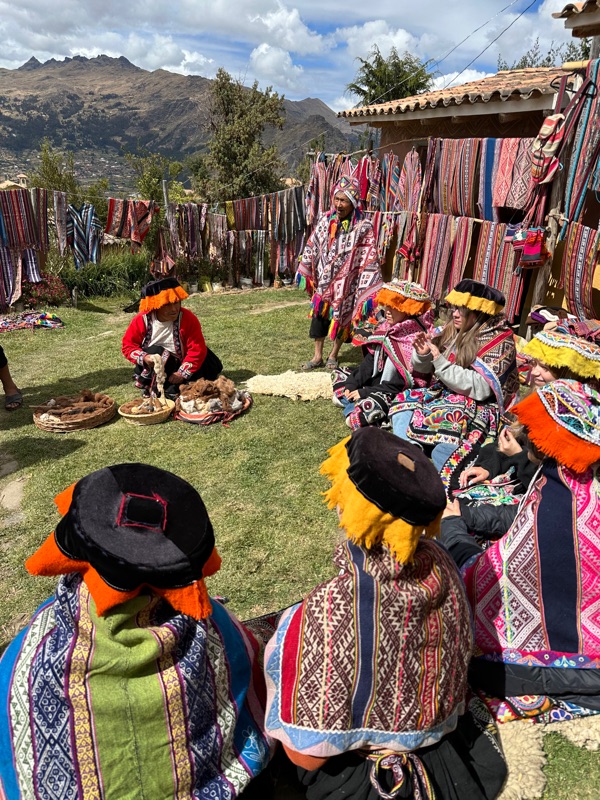
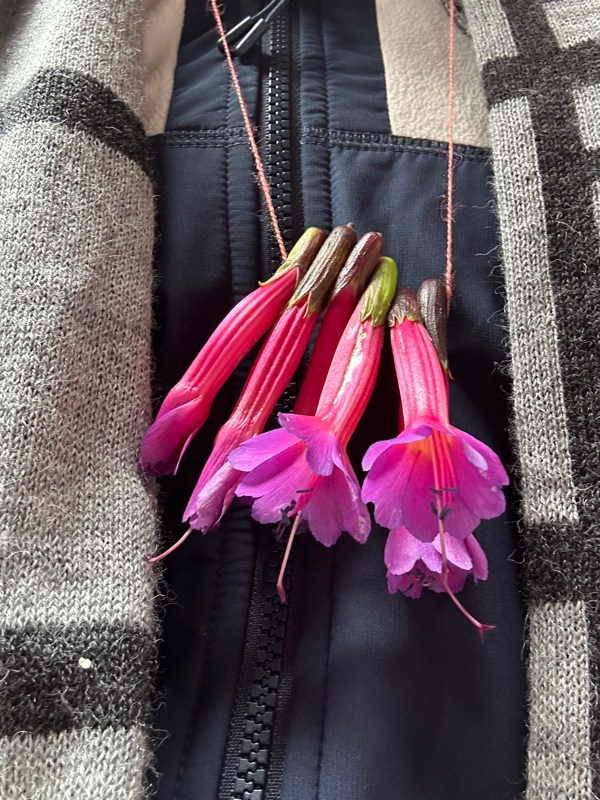
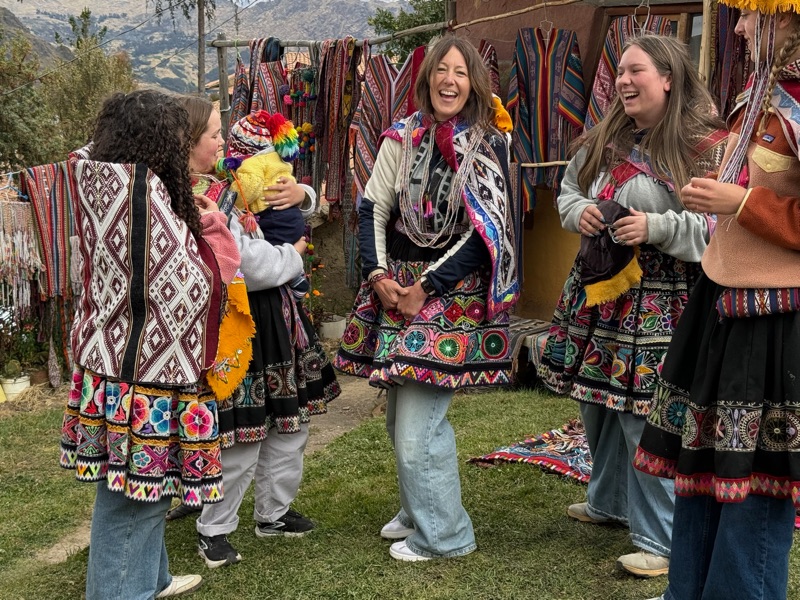
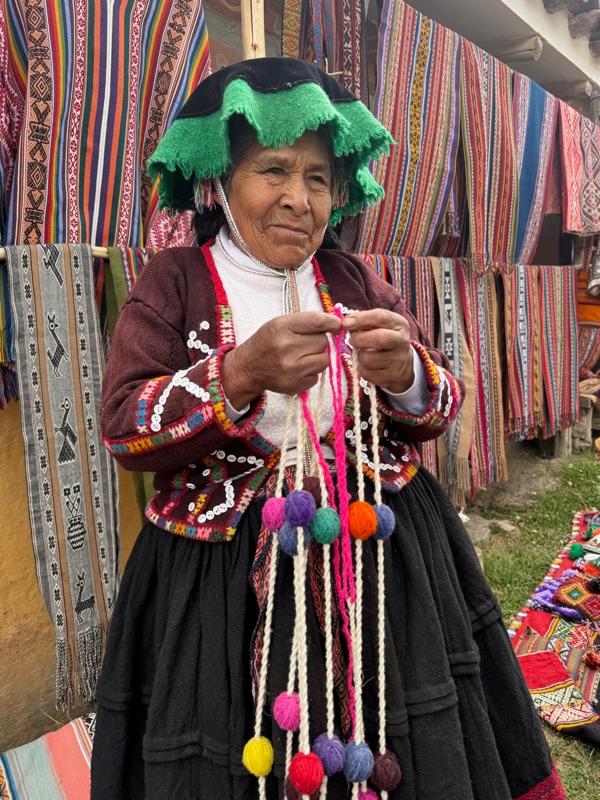
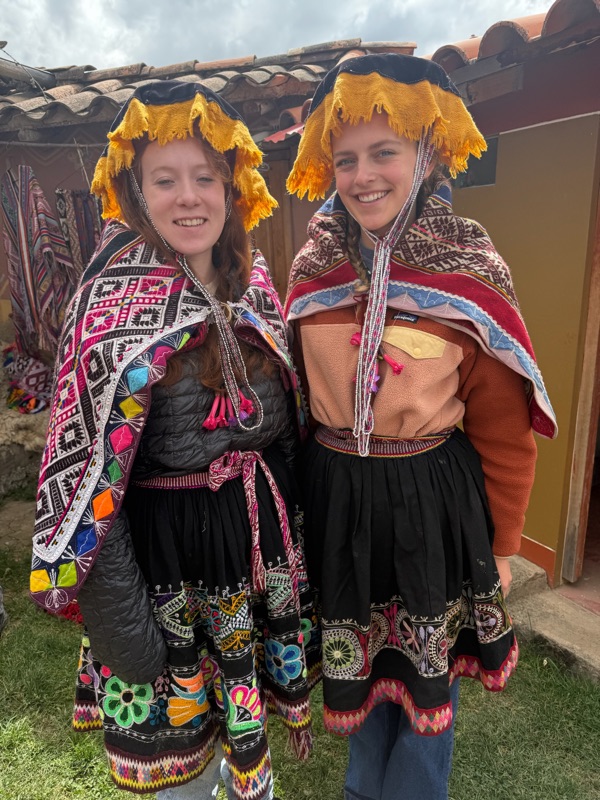
When we reached the weaving experience we were met by the family that would teach us how to weave and their traditions. They gave us each a necklace with rare Cantù flowers. Then we were taken into their house. Ferdinand, our main instructor helped us make natural tea with actual chamomile, mint, and muña leaves. Next, they helped us dress in traditional clothing of their village (with skirts, shawls, and hats) and we were taught about the meaning of stitchings. A lot of decorative stitching meant that the wearer was married or soon to be.
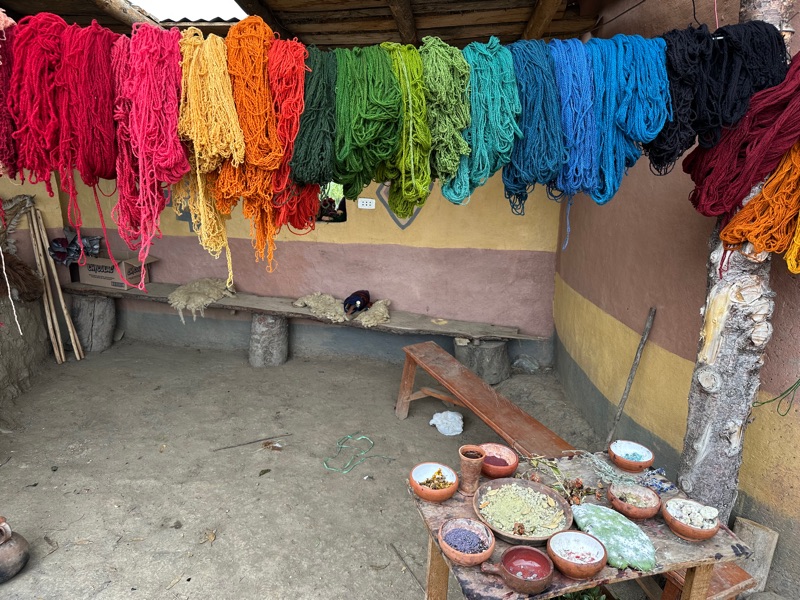
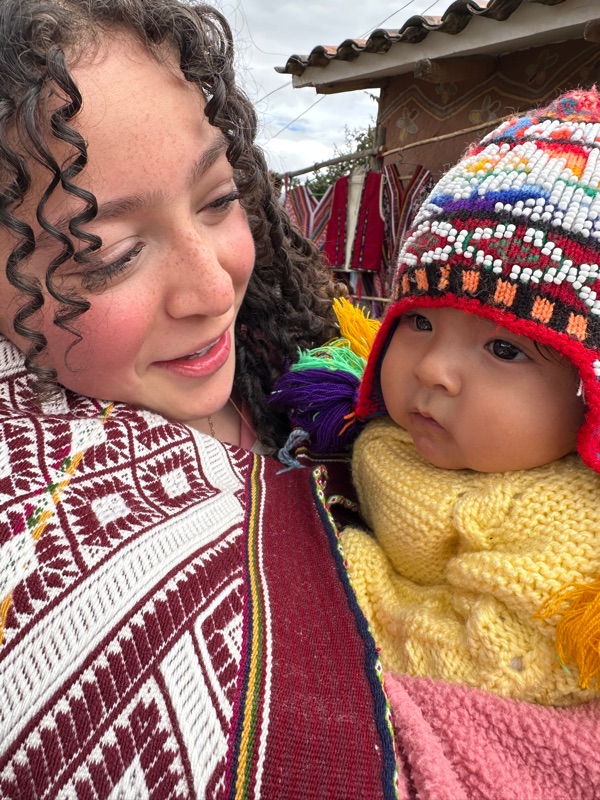
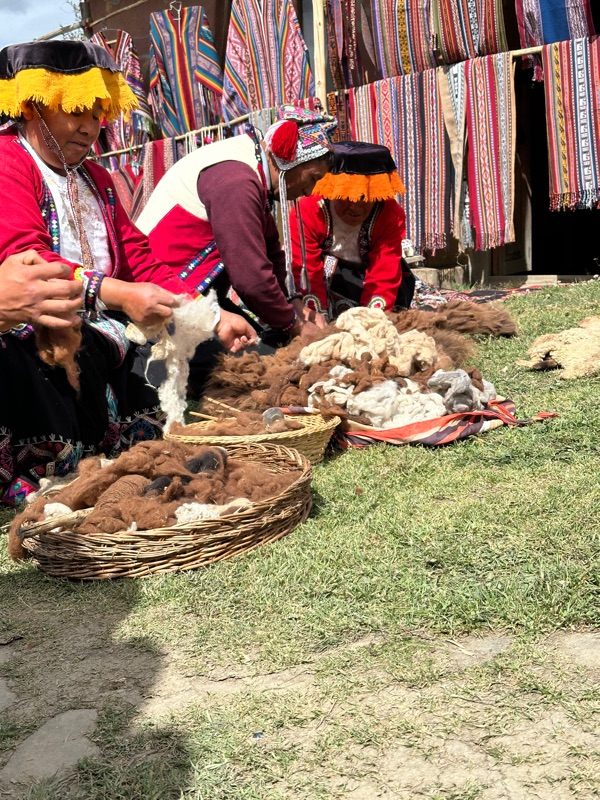
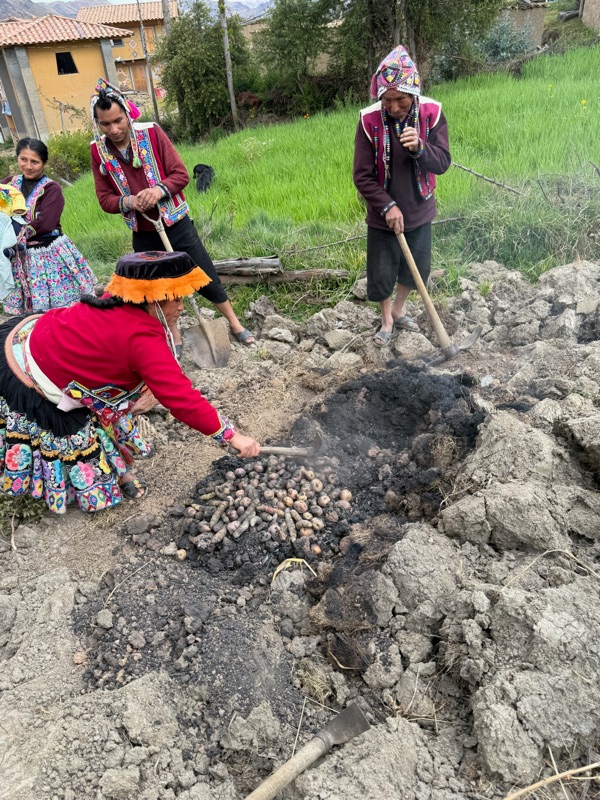
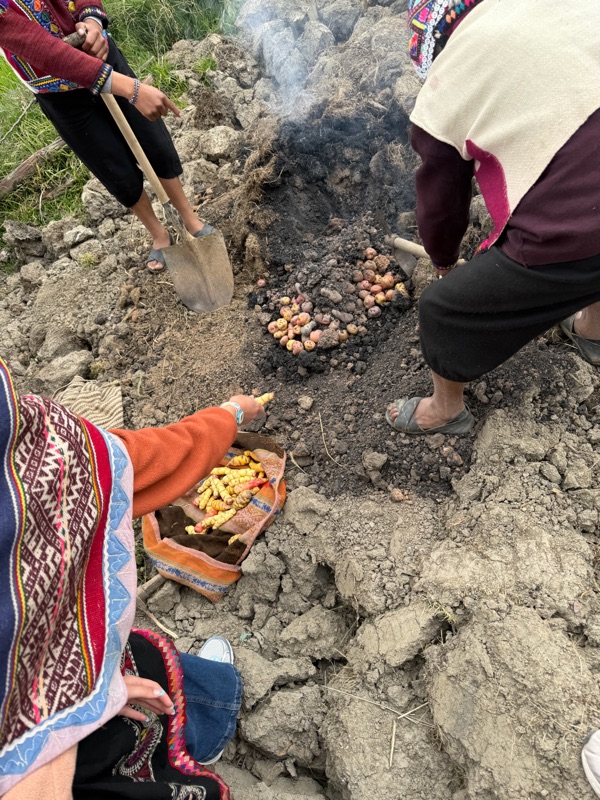
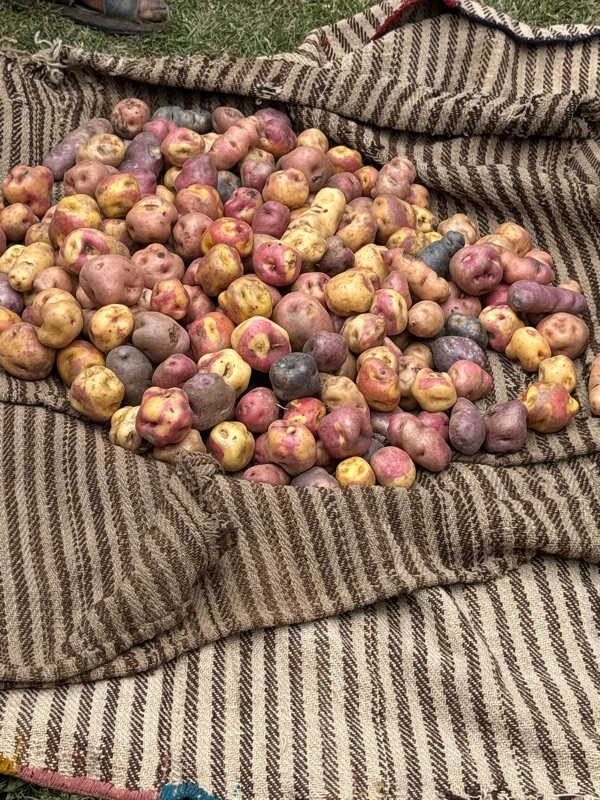
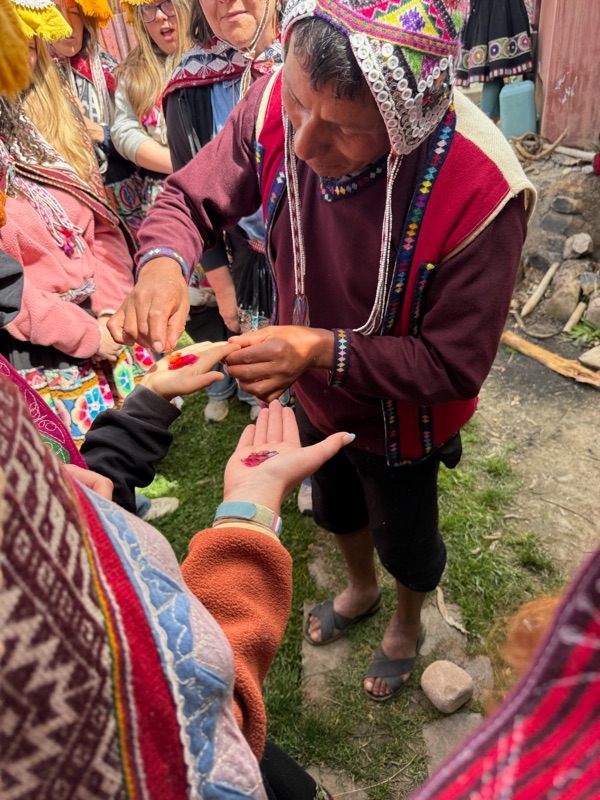
After we dressed we learned the weaving process. They started by cutting wool off sheep, llamas, or baby alpacas, and then separating the wool to clean it. Then they would twist the wool onto a spool to create a roll of yarn. Ferdinand explained that the children of their village would walk miles to school all while twisting the wool. Next we watched the dying process. After creating the yarn, they would heat up the dye and soak the yarn for 10-20 minutes to fully absorb the color. The dye was made with natural resources from around the sacred valley. For example, blue hues were made from the indigo plant and greens were made from leaves of several different plants. For the warm hues, they used the cochineal insect (a cactus parasite) and crushed it to get a red. They demonstrated on Mia and Lucy’s hands. They mixed the crushed insect with lemon (to make yellow), with turquoise (to make purple), a volcanic rock (to make black), and quartz (to make pink). After the dye demonstration, we looked around at their village’s work. Some of us bought woven hats, scarves, table clothes, blankets, and bags. Then we went to watch them cook us a lunch of potatoes and yuca in a fire of burning earth called a huatia. The lunch was delicious! The potatoes were cooked perfectly and we got to try cheese and quinoa soup (not for Julie). Then we practiced weaving and made our own bracelet with the llama yarn. At the end of our trip we got to meet two very cute babies named Elise and Sammy and then we thanked the family (Ferdinand, Papa Walter, Etsabeth, Rebecca, and the two babies).
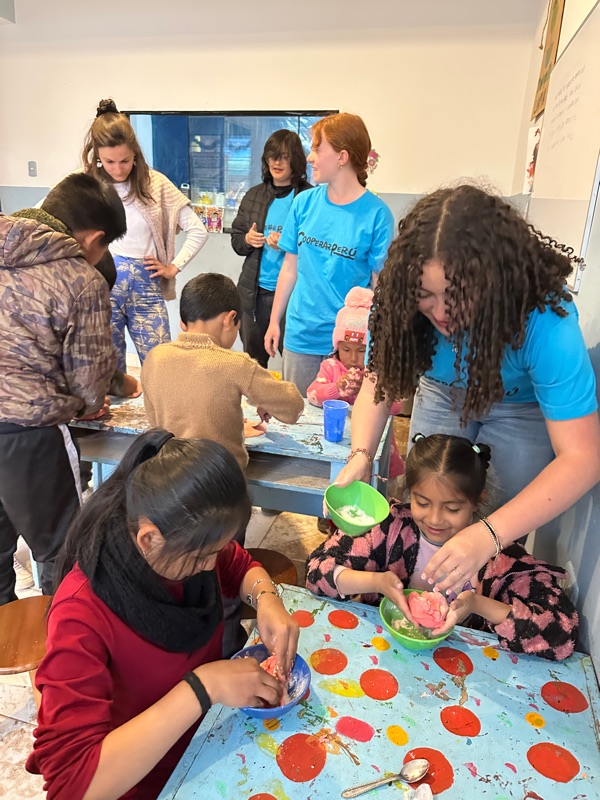
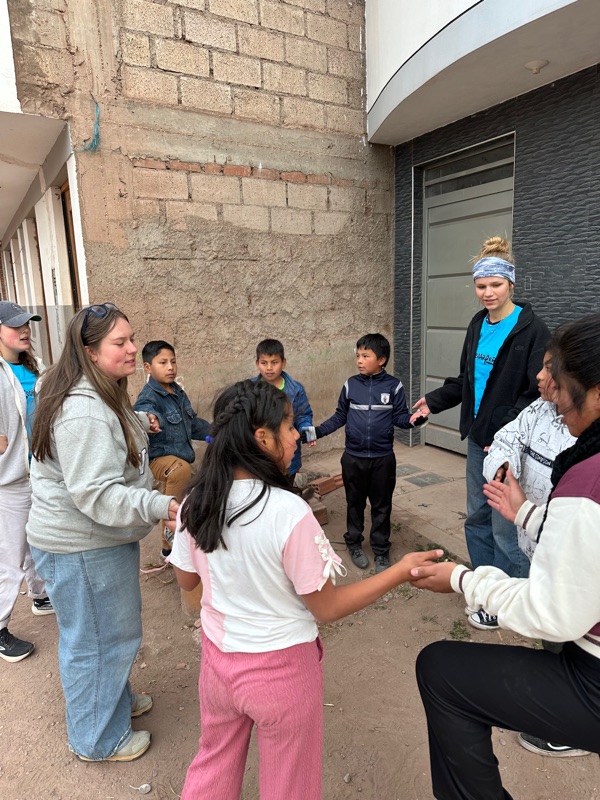
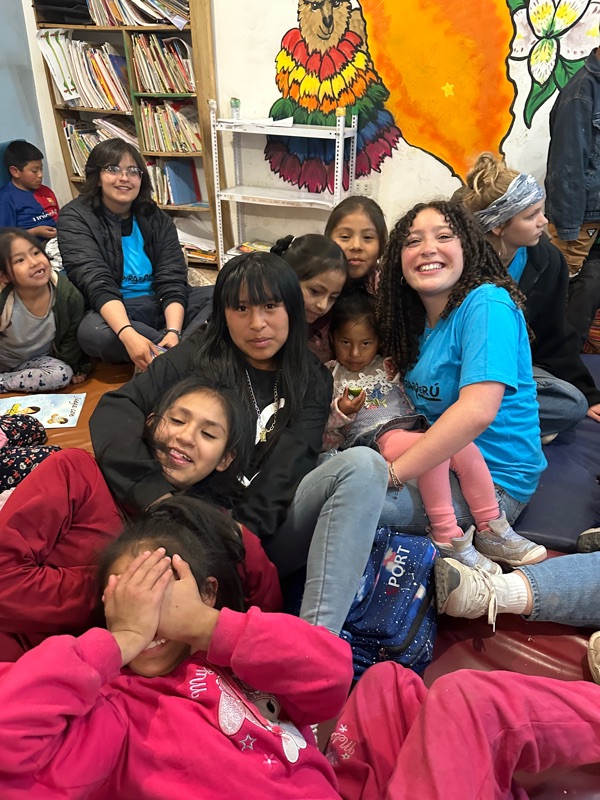
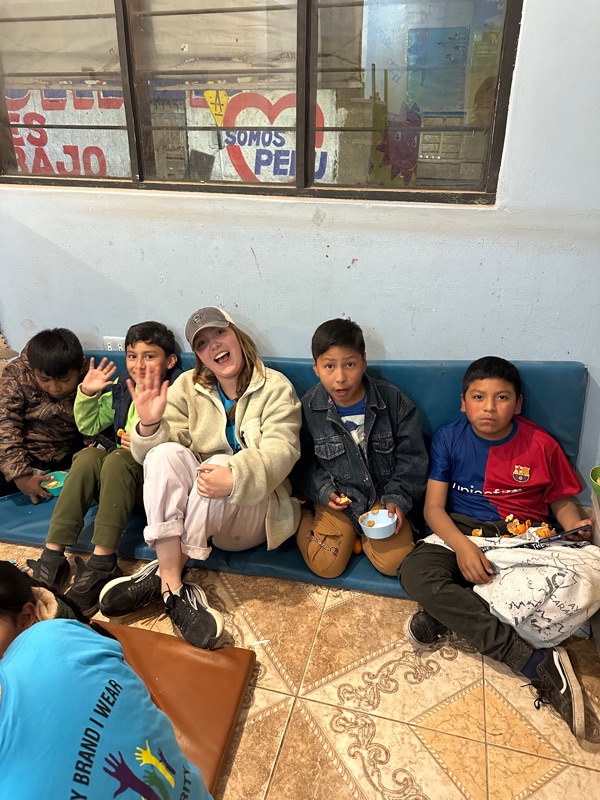
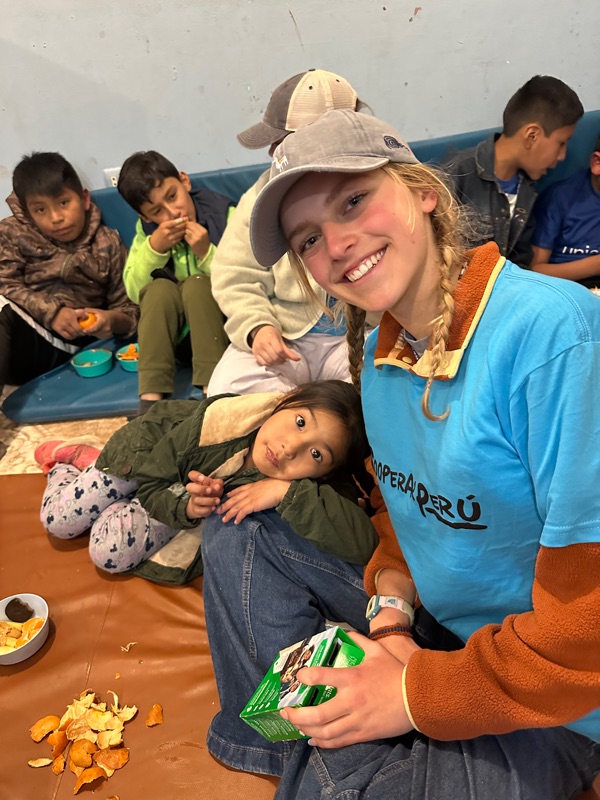
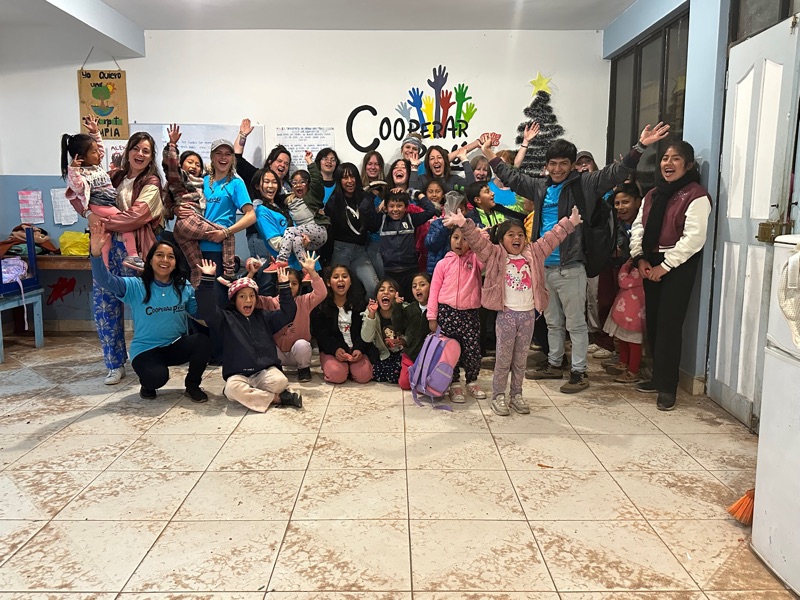
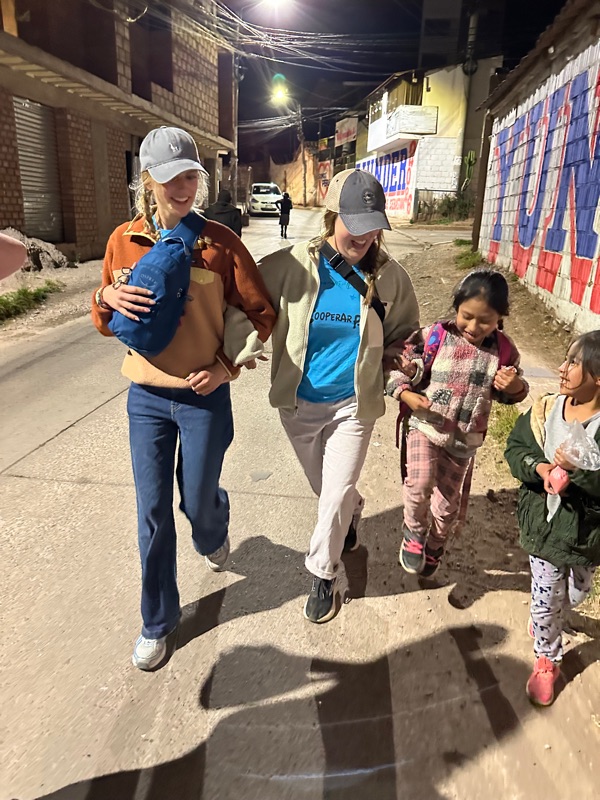
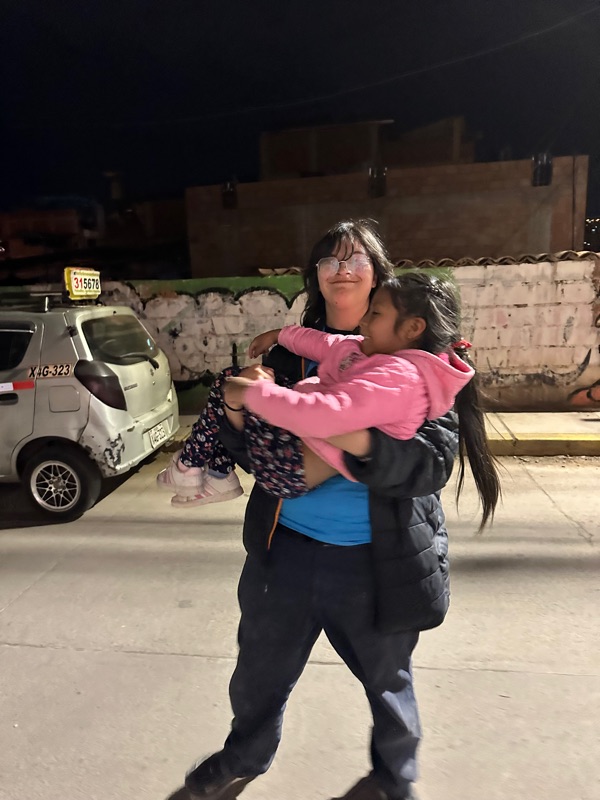
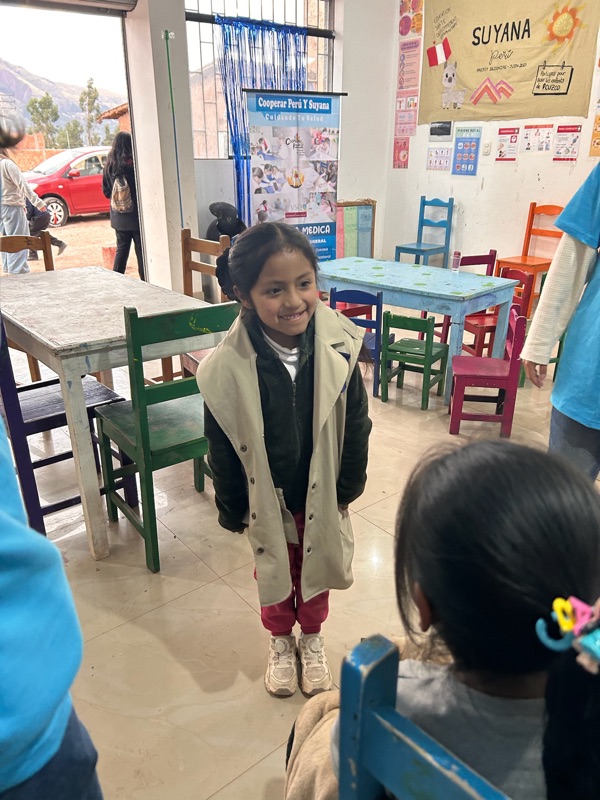
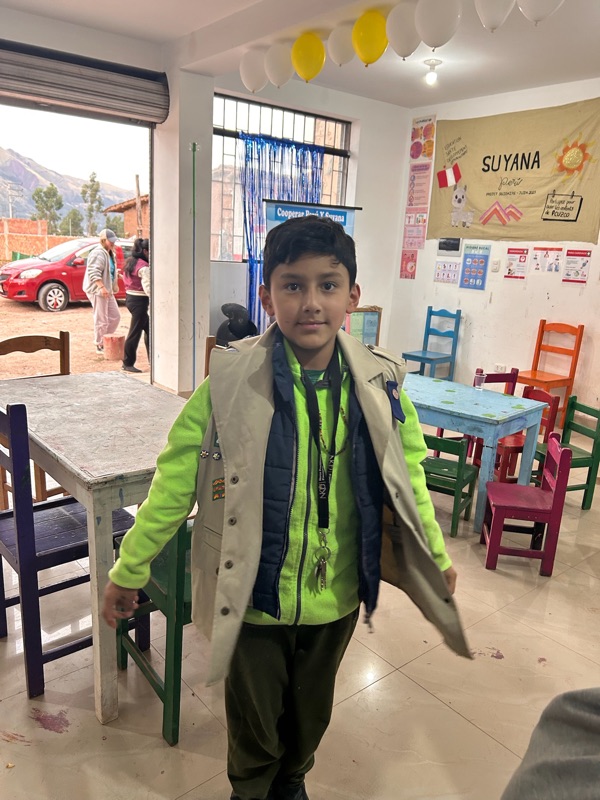
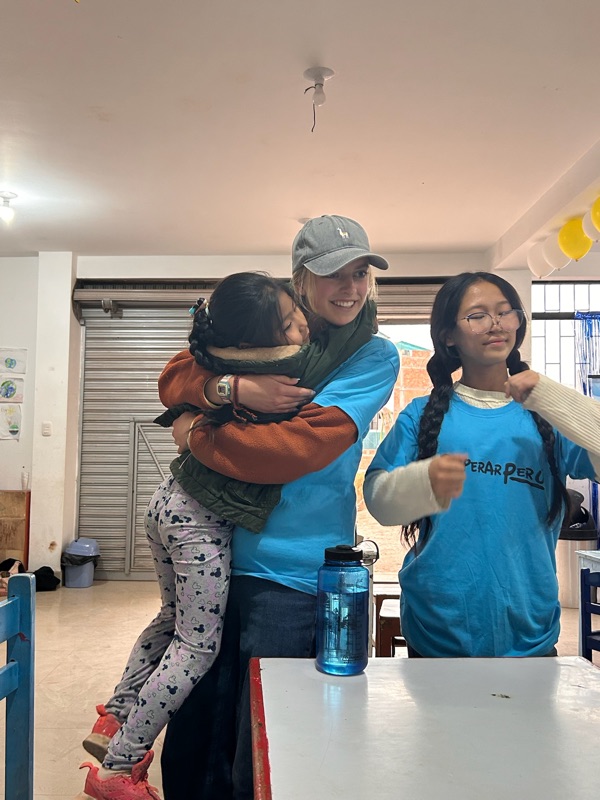
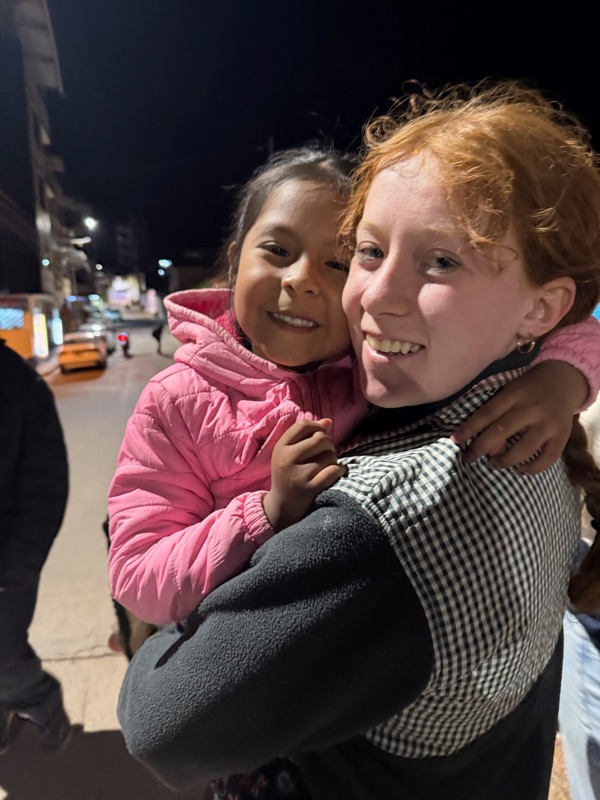
We were running late to volunteer at Cooperar Peru (an afterschool program that we had prepped for prior to leaving by facetiming the directors) so we hurried out and Su was nice enough to drop us off at the Cooperar building up in the hills of Cusco. We met the kids and started in a circle of introducing ourselves. They were very excited to learn that we were from the United States (especially Jefferson). Then we split into groups and started the first rotation. At Elise, Addy, and Viola’s group they made faces out of nature items and taught the kids English words relating to the face. They also played games like Quack-dilly-oso and tag. The kids loved running around and playing soccer. At Mia and Lucy’s station they taught the kids about Girl Scouts in the United States and showed them the parts of the vest (which they loved trying on). After learning the promise and law in English and in Spanish they played more Quack-dilly-oso (a big hit with the kids at Cooperar). At Isa, Keelan, and Gabby’s station they taught the kids how to make Play-doh (or plastilina to the kids). They used cream of tartar and Kool-aid powder from the U.S. mixed with water, flour, and salt that we bought at a small tienda here. More Play-doh was thrown than made, but they had so much fun and were eager to bring it home. After our station rotations, we prepared a snack of apples and peanut butter, oranges, and thin mints. The thin mints were a big hit and there was a lot of begging for more. The kids also had never tried peanut butter, so it was a delicious learning experience. After getting our Cooperar T-shirts signed by the kids, and walking the kids home, we said a sad goodbye (with lots of hugs). Thank you Cooperar Peru!
We took Ubers to a restaurant with a French volunteer from Cooperar. The restaurant was called Limo and had Japanese-Peruvian fusion food. Everyone was very hungry and tried a ton of new delicious food. We walked home and packed for our early departure in the morning. We’ll be at the beach tomorrow! Stay tuned for our tropical adventures!
Written by Lucy and Mia



Isa with the baby! 🩷. And so great to see everyone interacting with the kids. Looks like another amazing day.
ReplyDeleteThe native clothing is very cool. It's incredible that they get such colors with such a simple dyeing process.
ReplyDeleteForever memories for scouts and local kids. Brilliant, girls and leaders!